
Recently, I enjoyed Alan and Diane Bauer’s philatelic presentation, “Taking Up the Gauntlet – Exploring Castles & Palaces of Eastern Europe” for the American Topical Association. Their presentation inspired me to look more closely for castles among the stamps of my Hungary collection. In the background for the stamp below, I discovered a modern castle (more of a modest palace, in my opinion) called Lónyay Castle.
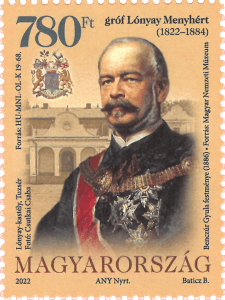
🇭🇺 Hungary, 780 Ft | Issued July 1, 2002
Built in the late nineteenth century, Lónyay Castle was the home of Hungarian Prime Minister Count Menyhért Lónyay (January 6, 1822–November 3, 1884), in whose honor the stamp was issued. But my research into his home took me into new-to-me areas of both Hungarian history and collectible ephemera.
This is the true-life gothic tale of the world’s first death by hypnosis. Or is it?
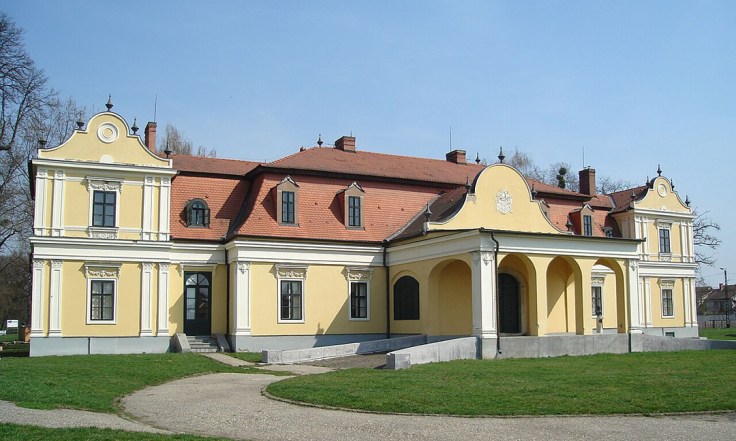
Fekist / CC-BY-SA-3.0
Where is Lónyay Castle?
The Hungarian town of Lónya is located in the far northeast of the country along the border with Ukraine. It has a long history, dating back even centuries before King Endre II endowed the village to the Berenczeis clan in 1285. The clan’s descendants used the family name ”Lónyay” thereafter as a reference to the area.
Nearby is the small town of Tuzsér (population 3,205 in 2022), where Prime Minister Lónyay built the town’s only castle around the year 1880. It was common practice at that time for Hungarian landowners to modernize their rural estates. Architect Miklós Ybl rebuilt the mansard roof and added two wings next to the main building, ornamenting the facade with Neo Baroque motifs, which were popular at that time. Today, the surrounding gardens, especially, draw people to enjoy the centuries-old trees and pathways that date back to the construction of the property.
Unfortunately, the prime minister would not have much time to live in the remodeled castle, as he died in 1884. However, the property must have quickly found new inhabitants, because I believe that it must have been the residence of the Salamon family when tragedy struck on a fall evening in 1894.
What is the tragic story of Ella Salamon?
In September 1894, Ella Salamon was a 22-year-old noblewoman and daughter of the wealthy landowner Tódor Salamon. The family reportedly lived in “the Salamon castle” in Tuzsér (which is why I believe the location of this story to be Lónyay Castle). Hypnomania was on the rise across the Western world, as was the practice of Spiritualism. As a treat for the evening, the Salamon family invited several other noble families to an elegantly laid dinner—and a show. Also in attendance that evening was Dr. Vragassy, the chief doctor of the Viennese voluntary ambulance association and a critical eye to impress at the evening’s performance.
For some months, young Ella had been working with Franz Neukomm, a “successful German machine-factory owner and well-digger from Versec (in southern Hungary)—widely reputed for his miraculous healings and séances, and certainly a charismatic magnetizer with his long hair, dark beard, and piercing eyes”, according to historian Emese Lafferton. Neukomm would induce hypnotic trances in Ella, whose “obedient soul” would leave her body and solve small crimes, like finding lost jewelry or catching thieves in the act. On one occasion, she even gave information about alleged murderers to the local police.
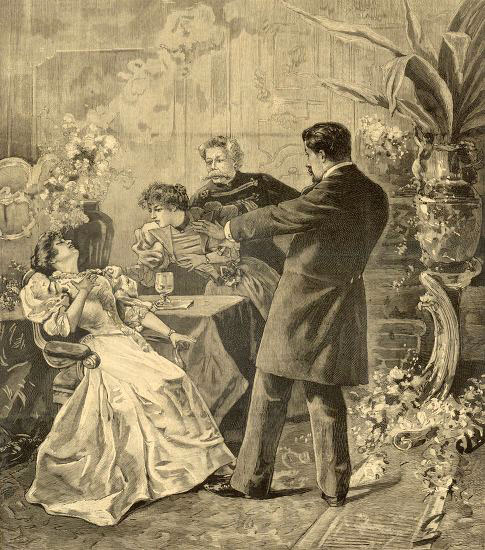
On this fateful evening, Ella intended to perform another telepathic demonstration for her audience. Neukomm, whose brother was ill, sought a diagnosis that would explain why he had been vomiting blood for several weeks: Was it tuberculosis or stomach bleeding? In his hypnosis, Neukomm guided Ella’s spirit across the countryside to Versec and into his brother Karl’s home.
“What followed was really incredible,” said Dr. Vragassy, later considered to be the only reliable witness of the evening’s events:
The medium began a scientific description of the lungs, giving a minute account of their diseased condition with technical particulars which even an ordinary doctor would not give and which might only be expected from an experienced specialist. With a full command and correct use of technical expressions she … declared that the prognosis was very unfavorable, as against that kind of disease medical skill was powerless.
After that, Ella declared “We have to be prepared for the worst.”
Lafferton reports, “Having uttered these words, Ella shrieked and collapsed. All medical attempts to bring her back to consciousness failed and, after some time, she died.”
Ella Salamon was possibly the first person in the world directly killed by hypnosis.
What happened after Ella’s death?
Undoubtedly Ella’s death was a tragedy for the Salamon family, and likely for the communities around Tuzsér and Lónya in remote, provincial Hungary. However, what no one in Salamon Castle could have predicted was the reach of her story around the world—particularly across all major European cities and into America. “The case proved to be highly intricate,” according to an article by Lafferton, “and subsequent reports were full of surprising twists, supplied by novel information received each day.”
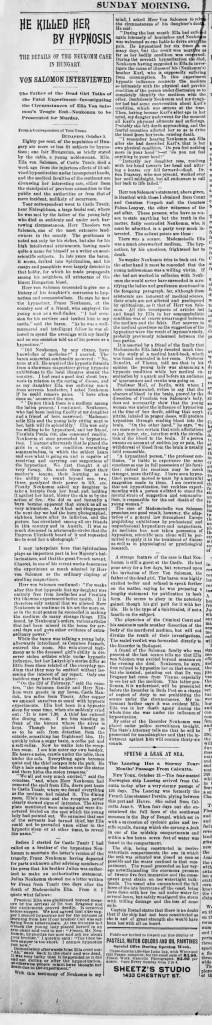
By October 14, news had spread by wire and rumor as far as The Philadelphia Times, which ran an article on page 7 entitled “He Killed Her by Hypnosis”. A subtitle reads “The Father of the Dead Girl Talks of the Fatal Experiment – Investigating the Circumstances of Ella Von Salomon’s (sic) Tragic End – Neukomm to be Prosecuted for Murder”.
The article gives a detailed description of the events of the evening (albeit with a fair amount of misspellings of the Hungarian locations and characters). The correspondent claims to have traveled himself to “Castle Tuszir” the week beforehand to speak directly with “Herr Theodore von Salomon”, who is noted to be respectable both for his “riches” and “intellectual attainments”. Salamon claims that Ella had been suffering from “nervous headaches”, and he asked Neukomm if he could remove her pain. Thus was the basis for their supposedly therapeutic relationship.
In the month leading up to her death, the headaches returned. Salamon reports that Neukomm “‘hypnotized her six times in so many days’”, but this time his treatment did not improve her condition. “‘During the seventh hypnotization she died.’”
Salamon goes on to report his fatherly opinion of why Ella’s last telepathic demonstration proved fatal:
Then, having become Karl’s alter ego in her mind, my daugter (sic) underwent for the moment all Karl’s physical ailments and sufferings. Probably she felt death approaching, and the fearful sensation affected her so as to drive the blood from her brain, causing death.
However, a Professor Moll of Berlin, an expert uninvolved with the Salamon family, had a very different opinion:
I am convinced that not hypnotization, but reckless experimenting with a person unfitted to stand the mental strain of suggestion and somnambulism, is responsible for the sad death of the young woman.
As reported to The Philadelphia Times, poor Ella’s body was subjected to two autopsies. Dr. Vragassy was set to be prosecuted for neglect of duty for not preventing the “séance”. And Frank Neukomm was placed under police surveillance, though he remained a guest of the Salamon home. He was set to be prosecuted for 36 counts of manslaughter.
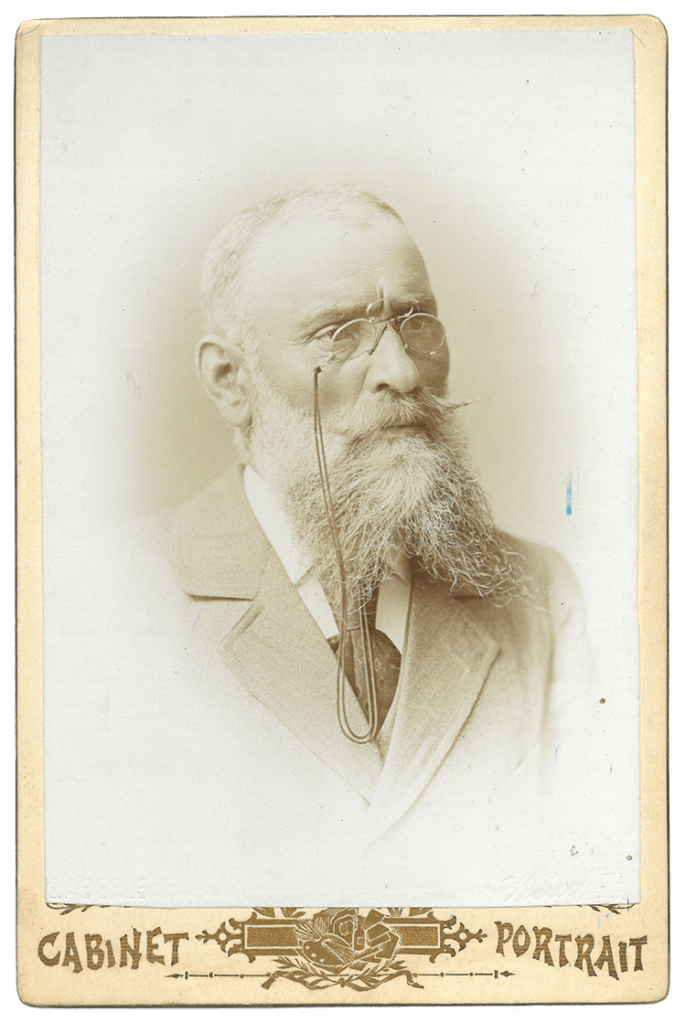
What happened to Franz Neukomm?
With widely ranging opinions on the efficacy and powers of hypnosis, what was to become of Franz Neukomm? Would he be convicted of murder, or simply dismissed as a charlatan?
Despite differing opinions among medical professionals across Hungary, there were several points of agreement in the case, according to Lafferton:
- “Neukomm made a mistake when he conducted the experiments on such a highly nervous and excitable patient”.
- “Ella became extraordinarily irritated and exhausted during the seance”.
- “[H]ad Neukkomm had adequate training and experience in medicine, he would have stopped, or not even begun, the experiment”.
Presumably following Ella’s two autopsies, the Forensic Medical Council found hypnosis to be the cause of Ella’s death—implicating Neukomm as the responsible party. However, Neukomm’s fate was not sealed so quickly.
András Jósa was the eminent chief doctor of Hungary’s Szabolcs County—and familiar with Ella’s long-running nervous symptoms. A believer in the therapeutic efficacy of hypnosis, it was he who initially recommended that Ella try it to alleviate the symptoms of her condition. During the court investigation, Jósa emphasized Neukomm’s therapeutic intent (presumably above the performative aspects of the tragic evening’s events). Further, Jósa revealed that he had made a diagnosis a year earlier to Ella’s family: “owing to Ella’s increasing nervous illness and the poor condition of her vascular system, her death could occur ‘at any moment, without any external cause.’”
Nevertheless, it took a full year of investigations, trials, and deliberations before a verdict was delivered to Neukomm. Ultimately, the court sided with Jósa’s observations, establishing only “accidental connection” between hypnosis and Ella’s death. No charges of gross negligence could be proved against Neukomm, much less murder. The hypnotist was officially a free man, albeit one who could no longer legally practice his craft.
Philately break: What are cabinet cards?
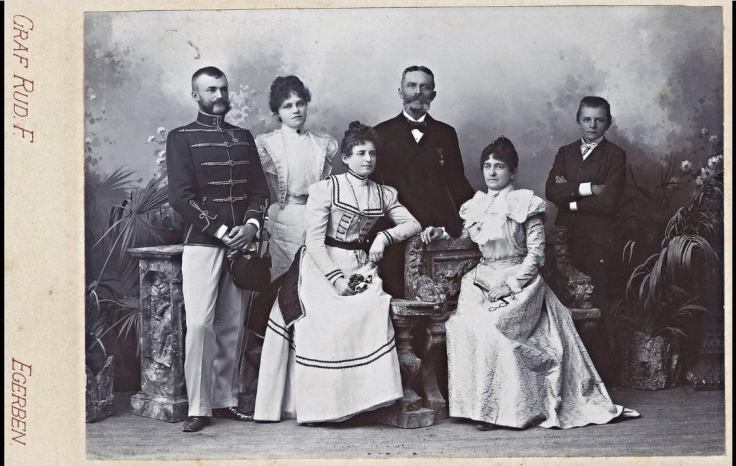
During the latter half of the nineteenth century, it became popular to display moderately sized photographic portraits in one’s home. These thin photos mounted on cardstock were sized similarly to today’s small postcards, at around 4 by 6 ½ inches. People would use small stands or frames to display the cards, often on a cabinet—which is how they got their name. First introduced in 1860, the popularity of cabinet cards peaked in the 1880s, but declined after the turn of the century when consumers began buying their own cameras, notably the Kodak Box Brownie, and home photos proliferated. Cabinet cards continued to be professionally produced until the 1930s, especially in Europe.
It is possible to date a cabinet card to within a few years based on its card stock, photo colors, borders, and lettering—all of which apparently went through phases of popularity. Based on the above card’s rounded corners, gold beveled edges, and gold text, it seems reasonable to conclude that it was likely produced between 1885–1895, and possibly right around 1890. That would definitively date this portrait to several years after the Salamon scandal. Note that the location embossed on the bottom right corner of the photo reads “Werschetz”, the German name for Versec (now Vršac, Serbia), Neukomm’s hometown.
Read more: Sarah G’s Hungarian Philatelic Glossary
What were the ripple effects of Ella’s death?
In Hungary, systematic research into the psychiatric effects of hypnotism had begun in the early 1880s. Hypnosis and related psychiatric expertise were already figuring in many criminal cases by the time of Ella’s death—albeit as means of catching criminals. (Ella herself was known to have provided information about perpetrators while in hypnotic trance.) However, the applicability of hypnotism to criminal cases was still highly contested, even among the community of experimenters who otherwise believed in the medical power of their work.
In applications of healthcare, medical doctors such as internist and neurologist Ernő Jendrássik had been conducting experiments into the power of suggestion, free will, and the “forensic implications” of hypnosis.
Ultimately, Ella’s death would stain the medical practice of hypnosis arguably up to today. Hypnomania would quickly turn to hypnophobia, and any medical benefits of the study and practice of hypnosis were quickly abandoned “as a direct consequence of Ella’s case”, according to Lafferton.
… the Hungarian Ministry of Interior, at the recommendation of the National Public Health Council, passed a resolution that greatly limited the practice of hypnosis. … In a crucial decision unprecedented in Europe, it allowed for the medical use of hypnosis only with the aim of a cure. This prohibited not only staged demonstrations but also academic research experiments into the practice.
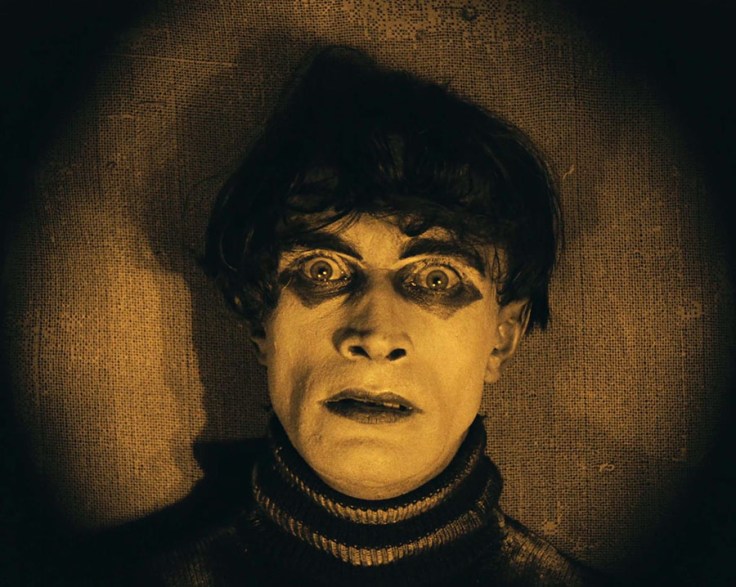
Ella’s death scared the Hungarian public, who believed that hypnosis had the power to override the free will of the hypnotized person, causing them to behave in unnatural ways. That fear quickly spread across the globe and persisted for generations. Well into the 20th century, films like The Cabinet of Dr. Caligari (1920) featured a hypnotist who uses a sleepwalker to commit murders. Even as recently as 2018, the film Murderous Trance explores the “true story” of a hypnotist who forces people to commit robberies and murders in 1950s Denmark.
In America today, hypnotism is viewed by much of the public as little more than a party trick. I’ve personally booked hypnotists for college campus events and enjoyed hypnosis shows at the county fair. But the full range of medical possibilities offered by hypnosis still hide behind this veil of showmanship. Who knows what benefits the practice could offer to veterans, the disabled, and people with mental health conditions? It’s a future that not even Ella Salamon could foresee.
What do you think? Do you believe in the medical powers of hypnosis? Do you enjoy uncovering obscure historical moments like this one through philatelic discoveries? Let me know your thoughts!
 Armchair Philately
Leave a comment